Velo Air Inc Logo
IIRCR and NADCA logos

Certified Residential & Commercial Air Duct Cleaning Experts.

Lic # 1077553 C20 B C61/D64

CALL US!

Free Visual Inspections

Air Duct Cleaning Long Beach

Air Duct Cleaning Long Beach

NADCA Certified Air Duct Cleaning Pro

Air Duct Cleaning Long Beach – Expert Duct Cleaning Services


As your local Long Beach air duct cleaning experts, we often get asked, "Can I clean my own ducts?" It's a great question, and the answer isn't always straightforward.

While there are some DIY duct cleaning tasks Long Beach homeowners can handle, a truly thorough, deep clean usually requires a professional touch.

Let's explore when the DIY route makes sense and when it's time to call the pros for your Duct Cleaning needs, especially considering our port city's unique air quality challenges.

Air Duct Cleaning Long Beach Velo Air Inc

DIY Duct Cleaning: What You Can (and Can't) Do in Long Beach

If you're the hands-on type in Long Beach, here are a few DIY duct cleaning tasks that are usually safe:

  • Change Your Furnace Filters: This is Air Duct Cleaning 101. Change them regularly according to the manufacturer's instructions.
  • Clean Vent Covers: Remove the vent covers and scrub them to remove dust and build-up.
  • Vacuum Accessible Areas: With a long attachment, you can carefully vacuum some visible dust within the first few feet of your ducts.

Important: Avoid brushing or aggressive agitation inside your ducts. This can dislodge debris and push it deeper into your system.

Limitations of DIY for Air Duct Cleaning in Long Beach

While those simple tasks are helpful, they're just the tip of the iceberg for cleaner air in Long Beach. Here's what DIY duct cleaning can't address:

  • Deep-seated Contaminants: Mold, mildew, pet dander, and other contaminants can settle deep within your ductwork, out of your reach.
  • Hidden Growth or Infestation: Sometimes ducts harbor mold growth or even pest infestations that you can't see from the outside.
  • System Complexity: Modern HVAC systems are intricate. DIY-ers can risk damaging sensitive components, leading to costly repairs.
  • Port-Related Pollution: As a port city, Long Beach faces additional air quality challenges. Ships, cargo equipment, and transport vehicles release pollutants that can find their way into your home and duct system. 

Residents in Wilmington, Carson, and West Long Beach are affected by major sources of air pollution, according to the article posted in Calmatters.org.

When You Need Professional Air Duct Cleaning Long Beach Services

Contact Long Beach air duct cleaning professionals if you notice any of the following:

  • Visible Mold Growth: Don't take chances—call in experts who are trained in proper containment and removal of mold.
  • Persistent Musty Odors: A lingering smell could signal deeper issues within the ducts.
  • Recent Renovations: Construction debris can get into your ducts. Have them cleaned to avoid circulating that throughout your house.
  • Pest Concerns: If you suspect insects or rodents, professionals can clean and sanitize your ducts.
  • Chronic Allergies or Respiratory Issues: Professional Air Duct Cleaning Long Beach services might offer relief if your indoor air quality is impacting your health. This is especially important considering the additional pollution challenges Long Beach residents face.

What to Expect from the Pros

So, what sets professional Long Beach air duct cleaning with Velo Air Inc. apart? Here's what you get when you call a company like ours:

  • Specialized Equipment: We use powerful vacuums with HEPA filtration and rotary brushes to dislodge stubborn debris without harming your ducts.
  • Full-System Access: We clean every component, including registers, grilles, coils, fans, and more.
  • Safe Sanitizers: If needed, we apply EPA-registered solutions to address biological contaminants.

Key Takeaways

  • DIY duct cleaning has its place for light maintenance.
  • For deep cleaning, hidden issues, or health concerns, trust the pros for Duct Cleaning.
  • Professional duct cleaning is an investment in healthy indoor air.

Conclusion

At Velo Air Inc, we believe everyone deserves to breathe healthy air. If you're wondering, "Is Air Duct Cleaning Long Beach worth it?" for your home, don't hesitate to reach out. We'll gladly assess your situation and offer the best solution, whether that's some DIY guidance or a full-system cleaning. 

We understand the importance of clean air for your family's health and comfort. That's why our technicians use the most advanced methods to transform your ducts. 

Experience the difference– lower energy costs, a more efficient HVAC system, and a healthier home environment. Let us show you why Southern Californians choose us for duct cleaning. Call Velo Air Inc. at 800-379-3500 today.

FAQs: Air Duct Cleaning in Long Beach

Q: How often should I get my air ducts cleaned in Long Beach?

A: The general recommendation is every 3-5 years. However, if you have pets, allergies, have recently completed renovations, or notice signs of mold or pests, you may need cleaning more frequently.

Q: Can I clean my air ducts myself?

A: Yes, you can perform some basic DIY tasks like changing furnace filters, cleaning vent covers, and carefully vacuuming accessible areas. However, for a deep, thorough clean, especially given Long Beach's air quality challenges, it's best to hire professionals.

Q: How much does air duct cleaning cost in Long Beach?

A: Prices vary based on the size of your home and the complexity of your ductwork. Contact reputable companies like Velo Air Inc. for a free estimate.

Q: Why is professional air duct cleaning important?

A: Long Beach residents face unique air quality concerns due to port-related pollution. Professional cleaning removes stubborn contaminants, potential allergens, and hidden mold or infestations, promoting healthier indoor air for you and your family.

Q: Will air duct cleaning help with my allergies?

A:  Professional duct cleaning can significantly reduce the allergens circulating through your home. If you suffer from allergies or respiratory issues, especially considering Long Beach's air quality challenges, a thorough duct cleaning might offer much-needed relief.
Nadca Certified Air Duct Cleaning

Nadca Certified Air Duct Cleaning

NADCA Certified Air Duct Cleaning Pro

NADCA Certified Air Duct Cleaning Companies | Why Choose Them?


NADCA Certified Air Duct Cleaning Companies: Why Choose Them?

Is it time to clean those air ducts? While DIY duct cleaning tutorials might be tempting, when it comes to ensuring a truly thorough and safe cleaning, turning to NADCA-certified professionals is your best bet. At Velo Air Inc, we're proud to hold this certification, and let's discuss why it matters to you!

What's NADCA and Why Does It Matter?

NADCA stands for the National Air Duct Cleaners Association. It's the leading organization setting the bar for our industry. Here's what NADCA certification means for air duct cleaning companies:

  • Expertise: They have at least one Air Systems Cleaning Specialist (ASCS) on staff, who passed a rigorous exam on HVAC systems, cleaning techniques, and safety standards.
  • Proper Equipment: They use powerful, specialized equipment designed for safe and effective air duct cleaning – not just your household vacuum.
  • Strict Standards: Members follow the ACR Standard, ensuring your ducts get meticulously cleaned according to industry-approved guidelines.
  • Insurance Protection: They carry liability insurance to protect you in case of unexpected mishaps.
  • Ethical Practices: Members uphold a code of ethics, putting your needs first.

The Benefits of Trusting a NADCA Company

  • Breathe Easier: Certified techs know how to remove dust, allergens, pet dander, and other contaminants hiding in your ductwork, potentially improving indoor air quality.
  • System Efficiency: Clean ducts help air flow freely, meaning your HVAC system doesn't have to work as hard, potentially lowering energy bills.
  • No Guesswork: DIY duct cleaning can be limited in reach. NADCA pros access all areas of your system for a comprehensive clean.
  • Peace of Mind: Insurance coverage, adherence to standards, and trained technicians give you assurance the job is done correctly.
  • Potential Mold Prevention: Cleaning removes debris mold could thrive on.

When is Professional Duct Cleaning Worthwhile?

  • After Renovations: Construction dust can overload your HVAC system.
  • Moving into a New Home: Get a fresh start, especially in older homes where duct cleaning history is unknown.
  • Musty Odors: Cleaning might help if smells persist after checking for other sources.
  • Noticing Excessive Dust: Even with regular cleaning, unusually heavy dust buildup might point to overloaded ducts.
  • Respiratory Issues: If allergies or sensitivities are a concern, consult your doctor and discuss duct cleaning with a NADCA pro.

How to Find NADCA Companies Near You

The good news – NADCA makes it easy! Visit their website: (https://nadca.com/), and use their handy "Find a Professional" search tool.

Key Takeaways

  • NADCA-certified air duct cleaning companies offer expertise, quality standards, and protection you can't get with DIY methods.
  • Certification is a strong sign of a reputable company, but also consider their experience and customer reviews.
  • Investing in proper duct cleaning contributes to a healthier, more efficient home.

We're Here to Help!

At Velo Air Inc, we're not just NADCA-certified – we're committed to exceeding your expectations. If you have concerns about your indoor air quality or want to discuss the benefits of professional air duct cleaning, get in touch today! Let us help you breathe easier in your own home.

Disclaimer: While professional duct cleaning provides many benefits, the overall air quality in your home depends on various factors. Consult with our qualified technicians for a full assessment of your needs.

Installing Central Air In A House Without Ducts Cost?

Installing Central Air In A House Without Ducts Cost?

Installing Central Air In A House Without Ducts Cos

Installing Central Air In A House Without Ducts Cost  

Staying cool in the summer is essential, but what if your home doesn't have air ducts? Don't worry – you have options! At Velo Air Inc., we specialize in helping homeowners like you achieve whole-home comfort. Today, let's explore the costs and factors involved with installing central air in a house without ducts.


Understanding Your Options

There are two main paths to take when adding central cooling to a ductless home:

  1. Traditional Central AC with New Ductwork:
  • This involves installing a network of ducts to distribute cooled air from a central unit, much like homes built with AC in mind.
  • Pros: Powerful cooling for larger homes, familiar technology, hidden system components.
  • Cons: Significant upfront cost, potentially disruptive installation, potential for energy loss if ducts aren't sealed well.
  1. Ductless Mini-Split Systems:
  • These use an outdoor unit connected to individual air handlers mounted in each room you want to cool.
  • Pros: No major ductwork is needed, it is highly energy-efficient, and it has the ability to cool specific zones at different temperatures.
  • Cons: It can be more expensive initially; indoor units are visible on the walls (though newer models are becoming sleeker).

How Much Does Installing Central Air in a House Without Ducts Cost?

The price tag depends on several factors. Let's break it down:

  • System Size: Larger homes need more powerful (and expensive) AC units.
  • Ductwork: If you go this route, the cost of materials and installation can be significant, ranging from $3,000 - $7,500 per linear foot.
  • System Complexity: Multi-zone ductless systems will cost more than a setup for a single room.
  • Your Location: Labor rates and material costs vary across the country.
  • Additional Considerations: Retrofitting ducts into an older home might require rerouting existing electrical or plumbing, adding to the cost.

General Cost Ranges

  • Traditional Central AC with Ducts: Expect to pay roughly $6,000 to $17,000 or even more, depending on the specifics of your home.
  • Ductless Mini-Splits: Estimates range from around $4,000 to $20,000+ based on the number of rooms you need to cool.

Which Option Is Right for You?

The best choice depends on your individual needs and budget. Consider these factors:

  • Home Size and Layout: Ductless systems work well for smaller homes or when you primarily need to cool a few main rooms. Traditional AC might be better for very large, multi-story homes.
  • Energy Efficiency: Ductless mini-splits often have the highest energy efficiency ratings (SEER), potentially saving you on energy bills over the long run.
  • Aesthetics: If you dislike the look of wall-mounted indoor units, traditional AC with hidden components might be preferable.
  • Budget: While ductless systems can have a higher initial cost, the energy savings and easier installation might offset the price difference over time.

Tips for Saving Money

  • Get Multiple Quotes: Compare at least three detailed estimates from reputable HVAC companies.
  • Consider Off-Season Installation: You might get a discount during winter or fall.
  • Rebates and Incentives: Check local utility programs or the DSIRE database: https://www.dsireusa.org/ for energy efficiency rebates.

Key Takeaways

  • Adding central air to a ductless home is possible, giving you options for enhanced comfort.
  • Costs vary significantly depending on the chosen solution and home specifics.
  • Ductless systems offer energy efficiency but may have limitations in very large homes.
  • Professional guidance is crucial for choosing the right type and system size.

We're Here to Help!

Installing central air, especially in a house without ducts, is a major investment. At Velo Air Inc, we're committed to finding the best solution tailored to your home and budget. Contact us today to schedule a free consultation, and let us help you stay cool and comfortable for years to come!

Will Cleaning My Air Ducts Remove The Mildew Smell?

Will Cleaning My Air Ducts Remove The Mildew Smell?

Mildew growing on bathtub wall and woman with her hand on head.

Will Cleaning My Air Ducts Remove The Mildew Smell?

Suppose you've detected a musty or mildew scent wafting through your house whenever the air conditioning is turned on. In that case, it's not only disagreeable but could also indicate more significant problems within your ducts.

If you find yourself pondering the question Will Cleaning My Air Ducts Remove The Mildew Smell? If air duct cleaning might resolve this persistent odor, you've come to the correct conclusion.

Understanding the Source of Mildew Smell

First and foremost, recognizing that a musty or mildew odor could signify the presence of mold or mildew within your HVAC system or air ducts is crucial. These fungi flourish in damp, dark conditions and, once established, can disseminate spores across your living space, resulting in the characteristic musty smell.

The Role of Air Duct Cleaning

  1. Removing Contaminantsyou'veessional air duct cleaning involves thoroughly cleaning the ductwork in your home and removing dust, debris, and other contaminants. If mildew or mold is present, cleaning can physically remove these fungi from the ducts, along with the unpleasant smells they produce.
  2. Identifying Moisture Issues: A crucial part of the cleaning process is identifying the source of moisture that allows the mold or mildew to grow. Without addressing this underlying issue, the problem is likely to recur. Professional cleaners can help pinpoint these trouble areas, whether it's a leak in the duct system, high indoor humidity, or condensation within the HVAC system.

3. Improving Indoor Air Quality: By removing mold and mildew from your ducts, air duct cleaning might and can significantly improve the indoor air smell and quality of your home. This not only

Tips for a Mildew-Smell-Free Home

  • Regular Maintenance: Regularly inspect and maintain your HVAC system from moisture to prevent buildup and mold growth. Changing filters, cleaning drip pans, and ensuring proper airflow can go a long way in maintaining fresh air.
  • Control Humidity: Use dehumidifiers or your air conditioning system to keep indoor humidity levels in check. Aim to keep your home at a humidity level between 30% to 50% to discourage and prevent mold growth possibly.
  • Seal Ducts: Ensure that your air ducts are properly sealed and insulated, especially in areas prone to temperature fluctuations and moisture.
  • Prompt Repairs: Address any leaks or water that could cause damage promptly to prevent moisture from seeping into your ductwork.

Choosing the Right Duct Cleaning Service

Not all duct cleaning services are trained and certified to deal with mold or mildew. Take that into account when choosing a professional:

  • Look for Experience and Expertise: Choose a service provider with experience in dealing with mold and mildew issues within ductwork.
  • Check Certifications: Look for companies certified by reputable organizations like the National Air Duct Cleaners Association (NADCA).
  • Ask About Their Process: Inquire about how they plan to address mold and mildew specifically and what steps they take to prevent future growth.

Conclusion

In conclusion, yes, cleaning your air ducts can effectively remove the mildew smell from your home, but it's important to tackle not just the symptoms but also the cause. 

By addressing moisture issues, ensuring proper HVAC maintenance, and opting for professional duct cleaning services, you can look forward to breathing clean air. 

Remember, a proactive approach to indoor air quality improves the comfort and smell of your home and will likely support the health and well-being of everyone who lives there. 

Don't let mildew take over your home – it's controlled with a thorough cleaning and diligent maintenance.

Visit our Short Posts

Is Air Duct Cleaning Covered By Home Warranty?

Is Air Duct Cleaning Covered By Home Warranty?

Home warranty document.

Is Air Duct Cleaning Covered By Home Warranty?

Hello there! If you're researching home maintenance and wondering whether air duct cleaning is covered under home warranty coverage, you're in the right place. 

Is Air Duct Cleaning Covered By Home Warranty? It's a common question many homeowners face as they navigate the responsibilities and protections associated with their dwelling. To give you a clearer picture, let's explore the relationship between air duct cleaning and home warranty coverage.

Understanding Home Warranties

Firstly, it's crucial to understand what a home warranty is. A home warranty is a service contract that covers the expenses for repairs or replacements for major home systems and appliances due to wear and tear. Coverage varies significantly between providers and plans, focusing on items like HVAC systems, plumbing, electrical systems, and appliances.

Air Duct Cleaning and Home Warranty Coverage

The situation can become somewhat unclear when it comes to air duct cleaning. Generally speaking, standard home warranty plans do not cover air duct cleaning. This is because home warranties typically address the repair or replacement of broken or failed components, whereas air duct cleaning is considered a maintenance issue.

Why Maintenance Matters

Maintenance activities, such as cleaning air ducts, play an extremely important role in preserving the longevity and efficiency of your home's systems. Routine air duct maintenance can boost air quality, increase the performance of your HVAC system, and prolong the system's lifespan. However, these benefits fall under preventative maintenance, which is usually the homeowner's responsibility.

Exceptions and Add-Ons

  1. Add-On Coverage: Some home warranty companies offer add-on coverage that can include maintenance services like air duct cleaning. If you're interested in comprehensive coverage, it's worth inquiring about these options.
  2. Special Circumstances: There might be special circumstances under which a home warranty could cover duct cleaning. For instance, if an HVAC system failure is directly related to the state of the ducts, and your contract covers ductwork, there could be potential for coverage. This, however, is rare and highly dependent on the specifics of your warranty contract.

Navigating Your Home Warranty for Duct Cleaning

  • Read Your Contract Carefully: Understanding the specifics of your home warranty is the first step. Look for any mentions of ductwork, HVAC maintenance, or exclusions that pertain to cleaning services.
  • Contact Your Provider: If your contract language is unclear, or if you have questions about potential add-on coverage, reaching out to your home warranty provider directly can provide clarity.
  • Consider a Maintenance Plan: Some HVAC service providers offer maintenance plans that include duct cleaning. While separate from your home warranty, these plans can offer an economical approach to guaranteeing routine maintenance.Navigating Your Home Warranty for Duct Cleaning
    • Read Your Contract Carefully: Understanding the specifics of your home warranty is the first step. Look for any mentions of ductwork, HVAC maintenance, or exclusions that pertain to cleaning services.
    • Contact Your Provider: If your contract language is unclear, or if you have questions about potential add-on coverage, reaching out to your home warranty provider directly can provide clarity.
    • Consider a Maintenance Plan: Some HVAC service providers offer maintenance plans that include duct cleaning. While separate from your home warranty, these plans can offer an economical approach to guaranteeing routine maintenance.

The Importance of Air Duct Cleaning

Despite typically not being covered by home warranties, air duct cleaning remains an essential aspect of home maintenance. Here's why:

  • Improved Air Quality: Clean ducts mean cleaner air. Eliminating dust, mold, and other pollutants from your ductwork can contribute to a healthier living space.
  • Enhanced System Efficiency: Having clean ducts enables your HVAC system to run more efficiently, which can reduce energy expenses and minimize wear and tear.
  • Longevity of Your HVAC System: Regular cleaning can extend the life of your HVAC system, saving you money and hassle in the long run.

Conclusion

In conclusion, While air duct cleaning is generally not covered by home warranties, it remains a critical maintenance task for homeowners. 

Understanding the specifics of your home warranty contract can help you navigate what is and isn't covered, and exploring additional maintenance plans or add-on coverage can provide more comprehensive protection for your home. 

Remember, investing in the upkeep of your home's systems, including air duct cleaning, not only contributes to a healthier and more efficient home but can also assist in preventing costly repairs in the future. 

Prioritizing and understanding the scope of your home maintenance responsibilities can make all the difference in enjoying a safe and comfortable home environment.


Visit our Short Posts

Previous

Would Home Insurance Pay For Air Duct Cleaning?

Would Home Insurance Pay For Air Duct Cleaning?

Man going over home insurance policy.

Would Home Insurance Pay For Air Duct Cleaning?

If you've been pondering whether your home insurance would cover the cost of air duct cleaning, you're in the right spot. 

Many homeowners have this question, especially when faced with the need for this essential maintenance task. 

Air duct cleaning can significantly improve your home's air quality and HVAC efficiency, but will your insurance policy pick up the tab? Let's dive into your question Would Home Insurance Pay For Air Duct Cleaning? and shed some light on the matter.

Understanding Home Insurance Coverage

First things first, home insurance policies are primarily designed to protect you against unforeseen damages and losses, such as those resulting from fires, theft, or natural disasters. When it comes to maintenance tasks like air duct cleaning, the waters get a bit murkier.

General Rule of Thumb

As a general rule, most if any standard home insurance policies do not cover the cost of air duct cleaning because it's considered a maintenance issue. Insurance companies expect homeowners to properly maintain their homes and prevent issues that could lead to bigger problems down the line. However, there are exceptions to every rule.

Exceptions and Considerations

  1. Damage-Related Cleaning: Your insurance may cover the cleaning if your air ducts need cleaning due to a covered peril, such as smoke damage from a fire or significant mold growth after a water leak. In these cases, the duct cleaning is part of the broader restoration process to bring your home back to a livable condition.
  2. Specialized Insurance Add-Ons: Some insurance companies offer additional coverage options that might cover duct cleaning under specific circumstances. It's worth checking with your insurer to see if you can add such coverage to your policy and under what terms.

Practical Tips for Homeowners

  • Review Your Policy: Take a close look at your insurance policy to understand what's covered and what's not. If you're unsure, don't hesitate to reach out to your insurance agent for clarification.
  • Preventive Maintenance: Since air duct cleaning is generally considered maintenance, investing in regular HVAC maintenance can prevent issues that might lead to needing insurance claims for bigger problems later.
  • Document Everything: In situations where air duct cleaning could be covered due to damage, document the damage thoroughly with photos and detailed notes. This documentation can be crucial when filing your insurance claim.
  • Ask About Endorsements: Inquire about any endorsements or riders that could extend your coverage to include maintenance tasks like duct cleaning, especially if you live in an area that is prone to natural disasters that could affect your HVAC system.

Communicating With Your Insurance Company

If you believe air duct cleaning should be covered under your policy due to a specific incident, here's how to approach the situation:

  • Provide Documentation: Show detailed documentation of the damage that necessitated the duct cleaning.
  • Get a Professional Assessment: A professional HVAC service evaluating the situation and providing a written statement can strengthen your claim.
  • Understand the Claims Process: Familiarize yourself with your insurer's claims process to ensure you follow all necessary steps for a successful claim.

Conclusion

In summary, while standard home insurance policies typically don't cover air duct cleaning as a standalone maintenance task, there can be exceptions, particularly when the need for cleaning is directly related to a covered incident. 

Reviewing your policy and understanding the specifics of your coverage can save you from unexpected out-of-pocket expenses. Remember, maintaining your HVAC system and conducting regular air duct cleanings is not just about meeting insurance standards; it's about ensuring a healthy, efficient home environment.

If you have specific worries or unique situations, reaching out to your insurance agent for personalized advice is always a good step. Keep those ducts clean and your home's air fresh and healthy!

Visit our Short Posts

Why Is Air Duct Cleaning Important After Floods?

Why Is Air Duct Cleaning Important After Floods?

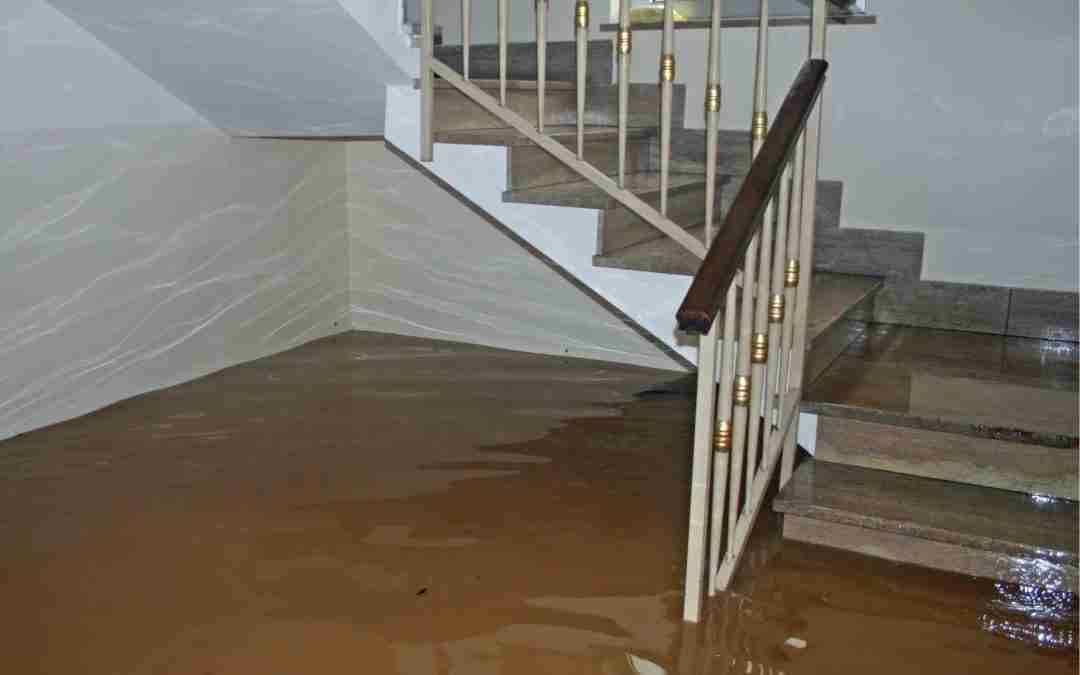
Flooded stair case.

Why Is Air Duct Cleaning Important After Floods?

If you've recently experienced flooding in your home or business, you're likely dealing with a long checklist of cleanup tasks. One critical yet often overlooked aspect of post-flood recovery is air duct cleaning. 

It might not be the first thing on your mind, but it's a crucial measure for maintaining the health and safety of your indoor surroundings. 

Let's answer your question, Why Is Air Duct Cleaning Important After Floods? and dive into why air duct cleaning is crucial after floods and how it can protect your space and the people in it.

The Hidden Dangers in Your Ducts

After a flood, water isn't the only thing that invades your home. Mud, debris, and potentially hazardous contaminants find their way into every nook and cranny, including your air ducts. When water saturates your walls and floors, moisture can seep into the ductwork, creating an ideal environment for mold, mildew, and bacteria to thrive.

  1. Mold and Mildew Growth: These can develop within 48 hours of water exposure. The spores from mold can spread through your duct system, polluting your indoor air and posing health risks, like respiratory issues.
  2. Contaminants and Pathogens: Floodwaters often carry sewage, chemicals, and other harmful pathogens. If your ductwork gets contaminated, these dangerous particles can circulate through your HVAC system, compromising the air quality.

The Importance of Prompt Air Duct Cleaning

Cleaning your air ducts after a flood isn't just about removing water. It's about ensuring the air in your building is safe to breathe. Here's why prompt and professional air duct cleaning is essential:

  • Preventing Health Issues: Appropriate cleaning removes mold, mildew, and other pollutants, lowering the chance of respiratory issues and allergic reactions.
  • Restoring Air Quality: Fresh, clean ducts mean fresh, clean air. Removing the contaminants and drying out your ducts can significantly improve the indoor air quality, making your space comfortable and safe.
  • Protecting Your HVAC System: Moisture and debris can damage your HVAC system, leading to costly repairs or replacements. Cleaning helps preserve its integrity and functionality.

How to Approach Air Duct Cleaning After a Flood

  • Assess the Damage: Before cleaning, it's crucial to assess the extent of the damage. Professional air duct cleaners can inspect your ductwork using cameras to determine the level of contamination and moisture.
  • Choose Professional Services: Flood cleanup requires expertise. find a professional air duct cleaning service with experience in post-flood recovery. They have the necessary equipment to thoroughly clean and sanitize your ducts.
  • Ensure Complete Drying: Besides cleaning, ensuring your ducts are completely dry is vital to prevent mold growth. Professionals use powerful dehumidifiers and fans to dry out the ductwork effectively.

Preventive Measures for the Future

Taking steps to prevent future flood damage to your ductwork can save you time, money, and stress. Here are a few tips:

  • Elevate HVAC Equipment: If possible, elevate your HVAC system components to reduce the risk of water damage during floods.
  • Regular Inspections: Regularly inspect your ductwork and HVAC system for signs of damage or moisture, especially after heavy rains or if you live in a flood-prone area.
  • Seal and Insulate Ducts: Properly sealing and insulating your ducts can prevent moisture from seeping in, mitigating the risk of mold growth.

Conclusion

We hope to have addressed your question, Why Is Air Duct Cleaning Important After Floods? In the aftermath of a flood, while you're juggling numerous cleanup tasks, don't overlook the importance of air duct cleaning. It's a crucial step in safeguarding your home or work place. By addressing moisture, mold, and contaminants head-on with professional cleaning and taking preventive measures, you can protect your property and the people in it from the unseen dangers lurking in your ducts. 

Remember, recovering from a flood is not just about repairing the visible damage; it's also about caring for the unseen, ensuring a healthy and safe environment for everyone.

How Noisy Is Air Duct Cleaning?

How Noisy Is Air Duct Cleaning?

Couple covering their ears from noise.

How Noisy Is Air Duct Cleaning?

Are you considering having your air ducts cleaned but worried about the noise? It's a valid concern, especially for homes with young children, pets, or individuals who work from home. Understanding what to expect during the cleaning process can help you prepare accordingly. 

Let's explore the noise levels associated with air duct cleaning and what you can do to minimize disruption.

Understanding the Air Duct Cleaning Process

Air duct cleaning entails the elimination of dust, debris, and pollutants from the ductwork of your heating, ventilation, and air conditioning (HVAC) system. Typically, this process utilizes specialized tools like high-powered vacuums, rotary brushes, and air whips, which may produce a fair amount of noise.

The Noise Level of Equipment

  1. High-Powered Vacuum Systems: The cornerstone of duct cleaning is using powerful vacuum systems designed to extract debris from your ductwork. These systems, while effective, can be quite loud, comparable to the sound of a shop vac or a little louder.
  2. Rotary Brushes and Air Whips: These tools are inserted into the ducts to dislodge stubborn dust and debris. The noise produced by these tools is similar to that of a corded drill or a leaf blower.
  3. Air Compressors: Used for powering air whips and other pneumatic tools, air compressors can add to the overall noise level during cleaning. Their sound can be likened to that of a standard air conditioning unit running outside.

Minimizing Disruption During Cleaning

While air duct cleaning is not a silent process, professional cleaning companies are often mindful of noise and work to minimize disruption. Here are some tips to manage noise levels:

  • Schedule Wisely: If noise is a significant concern, consider scheduling the cleaning at a time when it will cause the least disruption, such as when you're out running errands or during less busy times in a commercial setting.
  • Prepare Your Space: Informing everyone in the home or office about the scheduled cleaning can help manage expectations. For those sensitive to noise, it might be a good idea to plan a day out or find a quiet space away from the main cleaning areas.
  • Communicate with Your Service Provider: Discuss any concerns you have about noise with your air duct cleaning company beforehand. They might be able to take extra steps to reduce noise or advise on the best times to perform the noisiest tasks.

What to Expect Post-Cleaning

After the cleaning, you can expect a noticeable reduction in noise from your HVAC system. Cleaner ducts mean better airflow and less strain on your system, which can reduce the operational noise levels of your HVAC unit. Additionally, many homeowners find the peace of mind in knowing their indoor air quality is improved worth the temporary inconvenience of noise.

Conclusion

In conclusion, while air duct cleaning involves the use of equipment that can be noisy, the process is temporary and typically completed within a few hours. The benefits of having clean, debris-free ducts — from improved air quality to enhanced HVAC efficiency — far outweigh the temporary noise during cleaning. 

I hope I have answered your question, " How Noisy Is Air Duct Cleaning? " Remember, by planning and communicating with your duct cleaning service, you can effectively manage the disruption and enjoy a cleaner, healthier home environment. Remember, a little noise now can lead to a lot of comfort later!

What Is Negative Air Duct Cleaning?

What Is Negative Air Duct Cleaning?

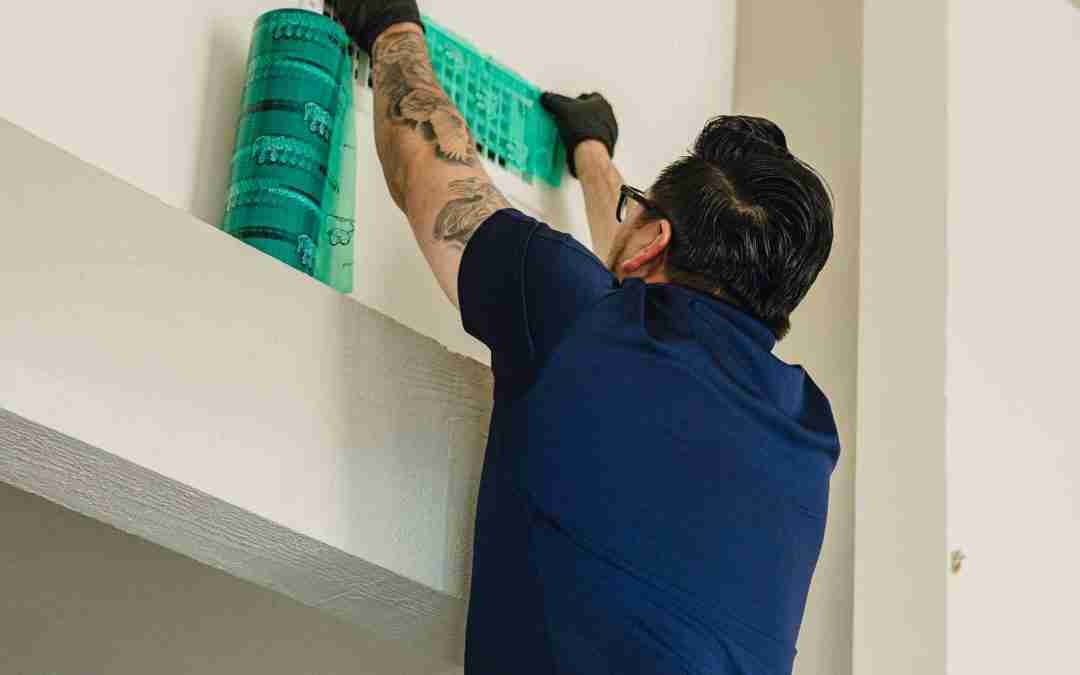
Air duct cleaning tech, covering vent for negative air duct cleaning.

What Is Negative Air Duct Cleaning?

Have you ever sneezed more often at home or dealt with a thin layer of dust that seems to settle on your furniture no matter how often you clean? It might be time to consider cleaning your air ducts, not just any cleaning, but negative air duct cleaning. Let's dive into what this method entails and why it could be a game-changer for maintaining the air quality in your home.

Understanding Negative Air Duct Cleaning

Negative air duct cleaning is a thorough and effective method for cleaning the ductwork in homes and commercial buildings. This technique isn't just about brushing away the dust; it's about ensuring that the air circulating through your HVAC system is as clean as possible. But what sets it apart from other methods? It's all in the process and the equipment used.

The Process: How It Works

  1. Sealing the Vents: The process begins with sealing all the air vents throughout the building. This is crucial for creating a vacuum within the ductwork, which is the cornerstone of the negative air cleaning method.
  2. Creating Negative Pressure: A powerful vacuum system is then attached to the main duct. This vacuum creates negative pressure within the ductwork, meaning that any loosened dust and debris will be sucked into the vacuum system rather than being allowed to escape back into your home.
  3. Agitation and Removal: While the vacuum is running, specialized brushes, air whips, or compressed air tools are used to agitate the dust and debris stuck to the duct walls. This step is essential for dislodging the buildup that the vacuum system will then remove.

Why Choose Negative Air Duct Cleaning?

  • Improved Air Quality: By efficiently eliminating dust, pollen, mold spores, and other pollutants from your ductwork, negative air duct cleaning can significantly improve the air quality in your home.
  • Enhanced HVAC Efficiency: Clean ductwork means your HVAC system can operate more efficiently, potentially lowering energy costs and extending the life of your system.
  • Health Benefits: For those suffering from allergies, asthma, or other respiratory issues, removing these irritants from the air can make a noticeable difference in comfort and health.

What to Look for in a Service Provider

Duct cleaning services vary in quality and effectiveness. When choosing a provider for negative air duct cleaning, consider the following:

  • Experience and Expertise: Look for a company with a solid track record and specific experience in negative air duct cleaning.
  • Certifications: Reputable providers should have certifications from industry organizations such as the National Air Duct Cleaners Association (NADCA).

Transparent Process: A trustworthy company will be clear about their process, equipment used, and what to expect from the service.

DIY vs. Professional Cleaning

While there are some aspects of HVAC maintenance you can manage on your own, like changing filters, negative air duct cleaning requires specialized equipment and expertise. Attempting a DIY version of this method could result in inadequate cleaning or even damage to your ductwork. For comprehensive cleaning, it's best to rely on professionals.

Preparing Your Home for Cleaning

To make the most of your negative air duct cleaning service:

  • Clear the Area: Ensure that the areas around vents and the HVAC system are clear of furniture and other items to give the technicians easy access.
  • Discuss Concerns: If you have specific areas of concern or known issues, discuss these with the technicians before they begin.

Conclusion

In conclusion to your question, What Is Negative Air Duct Cleaning? Negative air duct cleaning is a powerful method for enhancing the air quality in your home and ensuring your HVAC system operates at peak efficiency. 

By understanding the process and selecting the right service provider, you can breathe easier knowing that your home's air is clean and healthy. Remember, the air we breathe can have a significant impact on our comfort, health, and even our mood, making negative air duct cleaning an investment worth considering.

Would Rotary Brush Get Dust Everywhere During Air Duct Cleaning?

Would Rotary Brush Get Dust Everywhere During Air Duct Cleaning?

Air duct cleaning tech holding a brush.

Would Rotary Brush Get Dust Everywhere During Air Duct Cleaning?

If you're considering cleaning your air ducts and are worried about the mess it might create, especially with a rotary brush, you're not alone.

This is a common concern among homeowners who want to ensure their homes remain as clean as possible during the cleaning process. Let's explore the specifics of using a rotary brush for air duct cleaning and address your concerns about dust dispersion.

    What Is Rotary Brush Cleaning?

    First off, it's essential to understand what rotary brush cleaning entails. This method uses a specialized brush attached to a long, flexible rod that spins at high speeds. As it moves through the ductwork, the brush dislodges dust, debris, and other buildup accumulating on the duct walls. This method is highly effective at thoroughly cleaning the ducts, but does it get dust everywhere?

    • Managing Dust During the Cleaning Process

      The great news is that professional air duct cleaning services have mastered the art of minimizing dust and debris during the cleaning process. Here's how:

      1. Negative Pressure Systems: Before the rotary brush does its work, most reputable companies will set up a negative pressure system. This involves using a powerful vacuum that is connected to the ductwork, creating a vacuum effect that pulls dust, debris, and dislodged particles into a containment unit. This system ensures that the dust stirred up by the rotary brush doesn't escape into your living space.
      2. Sealing Vents: Technicians will typically seal off vents in the areas they're working on to prevent dust from escaping into other parts of the home. This also helps to maximize the efficiency of the negative pressure system.
      3. Post-Cleaning Cleanup: After the ducts have been cleaned, any reputable service provider will perform a thorough cleanup of the area around the vent openings. This ensures that any dust that migh

    Benefits of Rotary Brush Cleaning

    Despite concerns about dust, the rotary brush method has several benefits that make it a preferred choice for thorough duct cleaning:

    • Efficiency: The rotary brush can effectively remove stubborn buildup that other cleaning methods might miss.
    • Comprehensiveness: This method can reach every nook and cranny within your ductwork, providing a more comprehensive clean.
    • Improved Air Quality: By thoroughly removing dust and debris, rotary brush cleaning can significantly improve the air quality in your home.

    Choosing the Right Air Duct Cleaning Service

    To ensure a clean and efficient air duct cleaning experience, it's crucial to choose the right service provider. Here are a few tips:

    • Look for Experience: Choose a company with extensive experience in air duct cleaning, particularly with the rotary brush method.
    • Check for Certifications: Reputable companies should have certifications from industry-recognized organizations like the National Air Duct Cleaners Association (NADCA).
    • Read Reviews: Customer reviews can effectively provide insight into a company's ability to clean effectively without creating a mess.

    What to Do Before and After Cleaning

    • Before: Discuss any concerns you have about dust and debris with your service provider. They can explain their process and how they intend to manage dust.
    • After: Once the cleaning is complete, conduct a walkthrough with the technicians to ensure your home is clean and that you're satisfied with the work done.

    Conclusion

    In conclusion to your question, Would Rotary Brush Get Dust Everywhere During Air Duct Cleaning? While it's understandable to be concerned about dust dispersion during air duct cleaning, especially with the use of rotary brushes, professional cleaning services have effective methods in place to minimize this risk. 

    By choosing a reputable and experienced service provider and understanding their process, you can rest assured that your air duct cleaning will be thorough without leaving your home dusty. 

    Remember, the goal of air duct cleaning is to improve your home's air quality and HVAC efficiency, and with the right approach, it can be achieved with minimal mess.

    Is The Landlord Responsible For Air Duct Cleaning?

    Is The Landlord Responsible For Air Duct Cleaning?

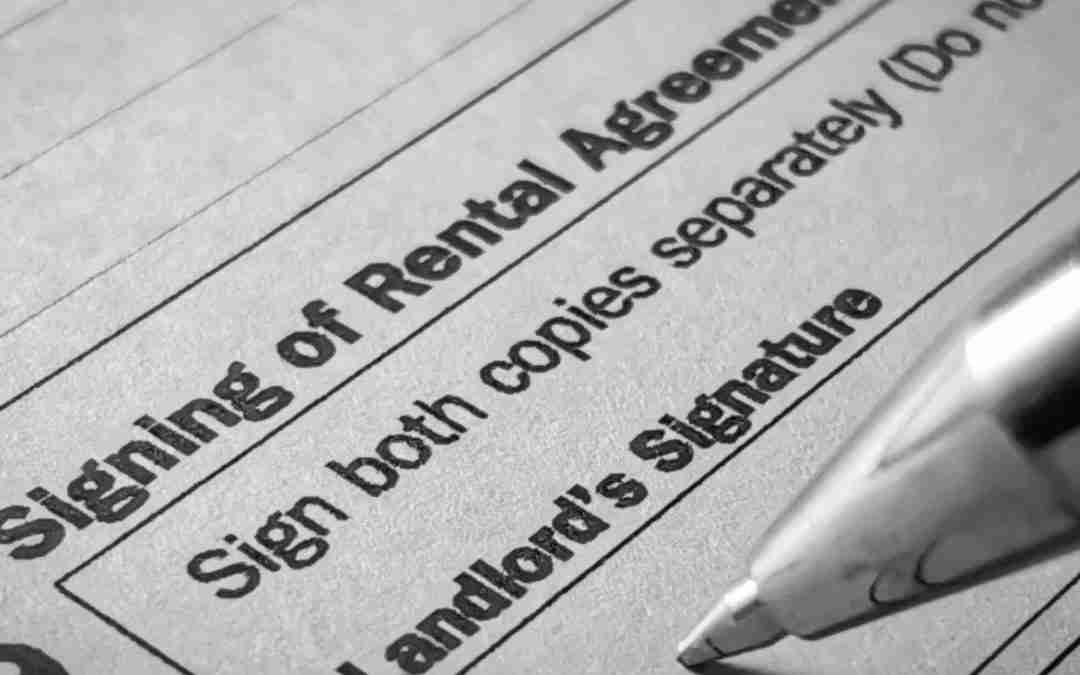
    landlord signing rental agreement.

    Is The Landlord Responsible For Air Duct Cleaning? Let’s Explore This Topic


    Navigating the responsibilities of property maintenance can often lead to questions about who is accountable for what, especially when it comes to something as specific as air duct cleaning. 

    If you're living in a rental property, you might wonder, "Is the landlord responsible for air duct cleaning?" Let’s explore this topic to give you a clearer understanding and some practical advice.

    Understanding Landlord Responsibilities

    Firstly, it's important to recognize that landlords have a legal obligation to ensure their properties are safe, healthy, and habitable. This mainly includes maintaining the structural integrity of the building, ensuring that plumbing and electrical systems are in working order, and that the property meets health and safety standards.

    Air Duct Cleaning: Whose responsibility Is It?

    When it comes to air duct cleaning, the responsibility can vary based on local laws, the specifics of your lease agreement, and the nature of the duct issue. Here are some key points to consider:

    1. Health and Safety Standards: If dirty air ducts are contributing to poor indoor air quality due to factors for example mold, excessive dust, animal dropings, pet dander, etc. and potentially affecting the health and safety of the tenants, it's generally seen as the landlord's responsibility to address the issue.
    2. Lease Agreements: Always refer to your lease agreement. Some leases may explicitly state that the landlord is responsible for maintaining HVAC systems, which can include air duct cleaning.
    3. Preventative Maintenance vs. Repairs: While landlords are typically responsible for repairs and major maintenance, the responsibility for routine or preventative maintenance (like air duct cleaning) can be less clear-cut and might be negotiated in the lease.

    Practical Tips for Tenants

    • Review Your Lease: Before reaching out to your landlord, review your lease agreement to see if it mentions anything about HVAC maintenance and air duct cleaning.
    • Document the Issue: If you believe that the air ducts are affecting your health or safety, document everything. Take pictures, note any health symptoms, and consider getting an indoor air quality test.
    • Communicate with Your Landlord: Reach out to your landlord with your concerns. Be polite but firm. Explain the situation, present your evidence, and request that the air ducts be cleaned.
    • Know Your Rights: Familiarize yourself with local tenant rights and housing codes. In some jurisdictions, tenants do have the right to withhold rent or pay for repairs (like air duct cleaning) tenant can possibly deduct the cost for air duct cleaning from their rent if the landlord fails to address essential maintenance.

    Advice for Landlords

    • Proactive Maintenance: Regularly maintaining the HVAC system, including air duct cleaning, can prevent issues from arising, keep tenants happy, and ultimately save you money on more costly repairs down the line.
    • Clear Lease Agreements: Clearly state in your lease agreements who is responsible for HVAC maintenance and air duct cleaning. This can prevent misunderstandings and disputes.
    • Respond Promptly: If your tenants report issues that could be related to air duct cleanliness, respond promptly. Ignoring these issues may lead to health problems, legal issues, and damage to your property.

    Conclusion

    In summary to you question, Is The Landlord Responsible For Air Duct Cleaning? Whether or not a landlord is responsible for air duct cleaning depends on various factors, including lease agreements and local housing codes. Tenants should review their lease, document any issues, and communicate with their landlords about concerns. 

    Landlords, on the other hand, should consider the benefits of regular HVAC maintenance, including air duct cleaning, as part of their responsibility to provide a safe and habitable living environment. 

    Clear communication and understanding of each party's responsibilities can help ensure that the living space remains healthy and comfortable for everyone. 

    Remember, a clean and well-maintained property benefits everyone involved.

    What Happens When Air Ducts Are Not Cleaned?

    What Happens When Air Ducts Are Not Cleaned?

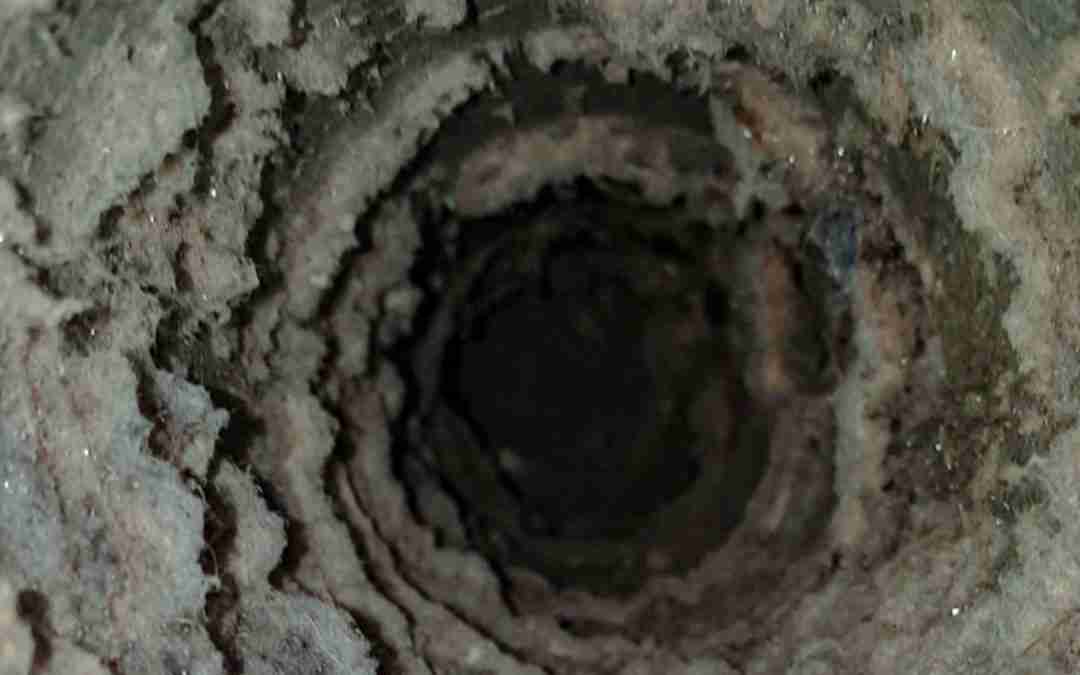
    Extremely dirty air duct full of lint, dust, and debris.

    What Happens When Air Ducts Are Not Cleaned?


    If you're curious about what happens when air ducts are not regularly cleaned, you're in the right place. 

    It's a common question, and understandably so, because the air ducts in your property regardless if it's your home or office play a crucial role in maintaining a comfortable environment. Let's dive into the often unseen consequences of neglecting air duct cleaning.

    1. Decreased Air Quality

    One of the most immediate effects of not cleaning your air ducts is a decline in indoor air quality. Your air ducts can harbor dust, pollen, pet dander, and other allergens. When the HVAC system runs, these particles are circulated throughout your space, leading to a host of issues, especially for those with allergies or respiratory problems.

    Example: Imagine turning on your HVAC system, and instead of clean, fresh air, you're greeted with a musty odor and a sneeze-inducing burst of dust.

    1. Increased Health Risks

    Over time, uncleaned air ducts can become a breeding ground for mold, bacteria, and viruses. These can spread throughout your home or office, posing serious health risks, particularly to individuals with weak immune systems, allergies, asthma, or other respiratory conditions.

    Practical Tip: Pay attention to increased respiratory discomfort or allergy symptoms among household members or office staff, as these could be signs of poor air quality due to dirty ducts.

    1. Strain on Your HVAC System

    When air ducts are blocked with dust and debris, your HVAC system has to work harder just to circulate air. This not only leads to decreased efficiency but can also shorten the lifespan of your system due to the increased strain.

    Example: It’s like trying to breathe through a straw; your HVAC system has to exert more effort, leading to higher energy bills and more frequent repairs.

    1. Unpleasant Odors

    Dirt, dust, and microbial growth in air ducts can cause persistent, unpleasant odors that are difficult to eliminate without a thorough cleaning. These odors can permeate your home or office, creating an uncomfortable environment.

    Practical Tip: If you notice a musty or stale smell when the HVAC system is running, it could be a sign that your air ducts need cleaning.

    1. Accumulation of Contaminants

    Neglected air ducts can accumulate a significant amount of contaminants over time, which can be particularly problematic in commercial or industrial settings where the air might contain more particulate matter.

    1. Reduced System Efficiency

    Dirty air ducts can significantly reduce your HVAC system's efficiency. Clogged ducts mean harder work for your system to disperse air, leading to increased energy consumption and higher utility bills.

    Practical Tip: Keep an eye on your energy bills. A noticeable increase could indicate that your HVAC system is working overtime due to dirty air ducts.

    1. The Domino Effect on Home Maintenance

    Dirty air ducts can lead to a domino effect on overall home maintenance. For example, you might find yourself dusting and vacuuming more frequently as dust continues to circulate and settle around your home.

    How to Prevent These Issues

    • Regular Inspections: Have your air ducts inspected by a professional regularly to determine if cleaning is needed.
    • Timely Cleaning: Follow the recommended guidelines for duct cleaning – typically every 3 to 5 years, though this can depend based on your specific situation.

    Quality Filters: Use high-quality air filters for your HVAC system and change them according to the manufacturer's recommendations.

    How to Prevent These Issues

    • Regular Inspections: Have your air ducts inspected by a professional regularly to determine if cleaning is needed.
    • Timely Cleaning: Follow the recommended guidelines for duct cleaning – typically every 3 to 5 years, though this can depend based on your specific situation.
    • Quality Filters: Use high-quality air filters for your HVAC system and change them according to the manufacturer's recommendations.

    Conclusion

    In conclusion to your question,What Happens When Air Ducts Are Not Cleaned? Not cleaning your air ducts can lead to a range of issues from decreased air quality and increased health risks to higher energy costs and reduced HVAC system lifespan. Being proactive about air duct cleaning is an essential part of maintaining a healthy, efficient, and comfortable living or working environment. 

    So, if it’s been a while since your last air duct cleaning, now might be a good time to consider scheduling one. Remember, a little maintenance goes a long way in ensuring clean air and a happy, healthy space!

    How Often Should Commercial Air Ducts Be Cleaned?

    How Often Should Commercial Air Ducts Be Cleaned?

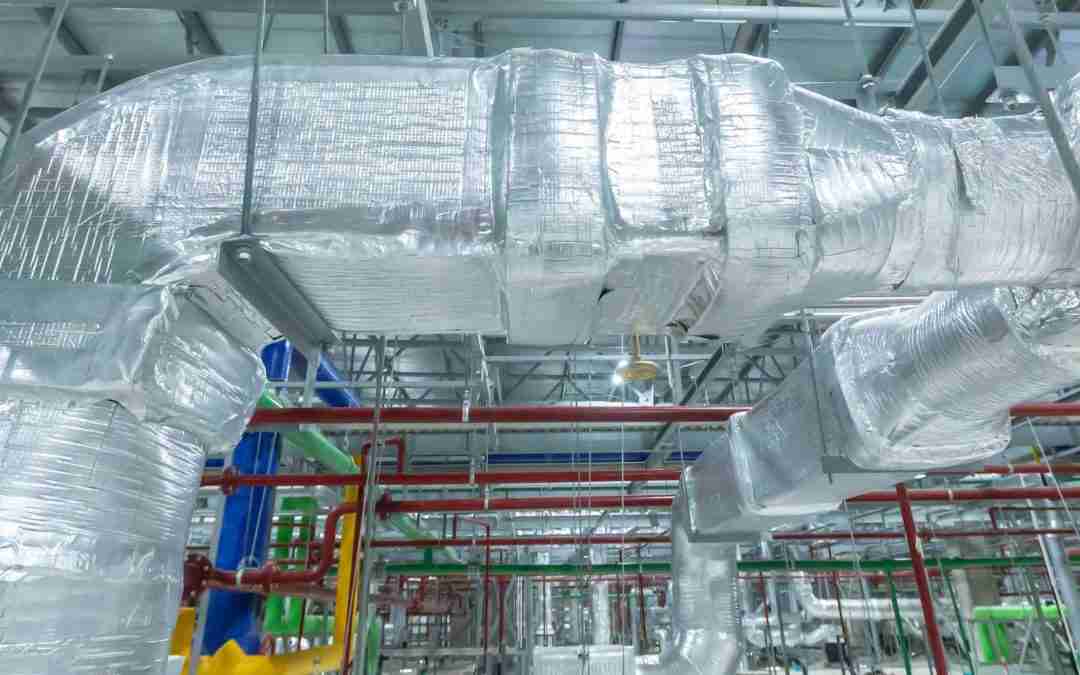
    Commercial air ducts and water pipes.

    How Often Should Commercial Air Ducts Be Cleaned?

    If you're managing a commercial property, be it an office building, a retail space, or a large industrial complex, you might wonder about the best practices for maintaining the HVAC system, specifically the cleaning of air ducts. 

    It's an essential aspect of building maintenance that can impact everything from air quality to energy efficiency. 

    So, let's dive into the nitty-gritty of how often commercial air ducts should be cleaned and why it matters.

      Understanding the Importance of Clean Air Ducts in Commercial Spaces

      Firstly, why does it matter? In commercial settings, air ducts are responsible for circulating air throughout vast spaces filled with employees, customers, or machinery. 

      Over time, these ducts can accumulate dust, debris, allergens, and even mold. This buildup can affect indoor air quality, employee health, and even the efficiency of your HVAC system.

      Determining the Frequency of Cleaning

      The frequency of cleaning commercial air ducts can vary based on several factors:

      1. Type of Business: Different businesses have different air quality needs. For instance, a restaurant or a manufacturing facility might need more frequent cleaning due to grease or particulate matter in the air, compared to a standard office environment.
      2. Traffic and Usage: High-traffic areas tend to accumulate dust and contaminants faster. If your commercial space sees a lot of daily use, more frequent cleaning may be necessary.
      3. Indoor Air Quality Requirements: Businesses like healthcare facilities, where air quality is crucial, need to adhere to stricter standards, necessitating more regular duct cleaning.

      4. Existing HVAC Maintenance Schedule: Regular HVAC maintenance can influence how often duct cleaning is needed. Well-maintained systems may require less frequent comprehensive duct cleaning.

      General Guidelines for Cleaning Frequency

      As a rule of thumb, commercial air ducts should be cleaned every 3 to 5 years. However, consider the following specifics:

      • Restaurants: Annually, due to grease and smoke accumulation.
      • Healthcare Facilities: Every 1 to 2 years, to maintain high indoor air quality standards.
      • Industrial Spaces: Depending on the nature of the work, potentially as often as every year.
      • Retail and Office Environments: Typically every 3 to 5 years unless specific issues arise.

      Signs That It's Time to Clean Your Ducts

      • Visible Dust and Debris: If you can literaly see dust blowing out of vents or accumulating on vent covers, it's time for a cleaning.
      • Unexplained Odors: Musty or stale smells can indicate mold or dust buildup in the ducts.
      • Increased Health Complaints: If occupants are experiencing more allergies or respiratory issues, it could be due to poor air quality from dirty ducts.

      Choosing the Right Duct Cleaning Service

      Selecting a reputable and experienced air duct cleaning service is vital. Look for:

      • Transparency: A trustworthy company will explain their cleaning process and provide a detailed estimate.
      • References: Ask for and check references to gauge previous customers' satisfaction.

      Post-Cleaning Maintenance Tips

      After the cleaning:

      • Regular Inspections: Regularly inspect your ducts and HVAC system to catch any potential issues early.
      • Filter Maintenance: Regularly change or clean HVAC filters to prevent dust, mites, and debris from accumulating in your ducts.
      • Educate Your Team: Ensure your maintenance team knows the importance of air quality and the role of clean ducts.

      Conclusion

      In summary to your question, How Often Should Commercial Air Ducts Be Cleaned? the frequency of commercial air duct cleaning varies based on the type of business, usage, and specific air quality needs. Regular cleaning not only ensures a healthier environment for everyone using the space but also contributes to the efficiency and longevity of your HVAC system. 

      If you're due for a duct cleaning or have noticed any of the signs mentioned, it's time to reach out to a professional cleaning service. Remember, clean air ducts are an investment in your business's health, comfort, and productivity.


      What To Ask About Air Duct Cleaning?

      What To Ask About Air Duct Cleaning?

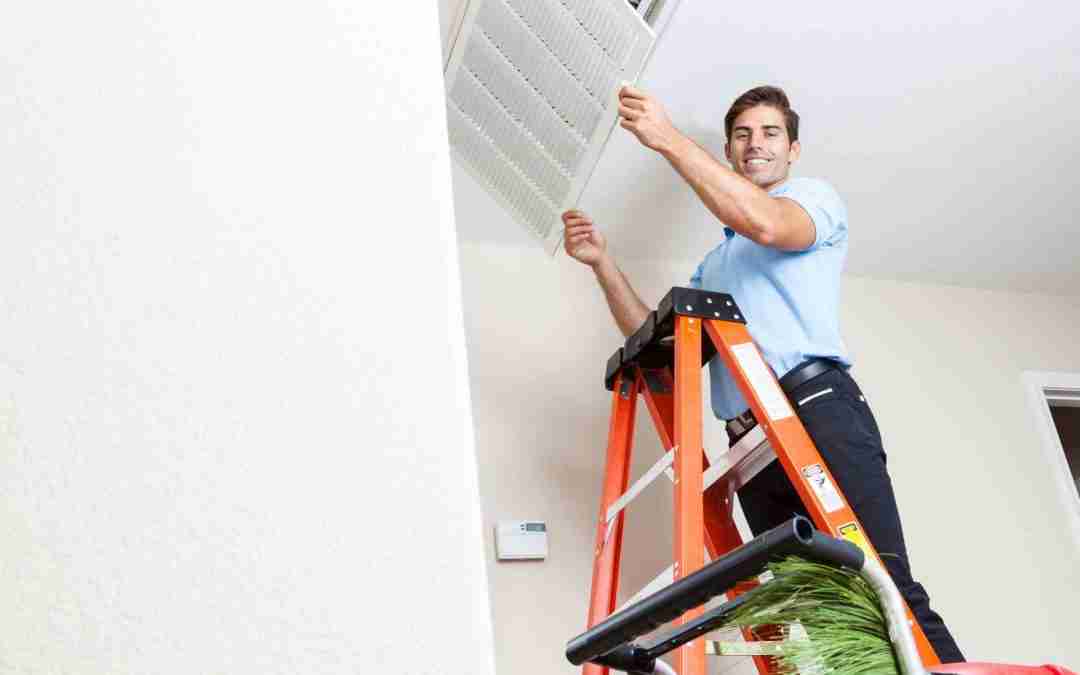
      Air duct cleaning technician opening air vent.

      What To Ask About Air Duct Cleaning?

      Considering getting your air ducts cleaned but not quite sure where to start or what to ask? No worries! Navigating the world of air duct cleaning can seem daunting at first, but asking the right questions can definitely help you make informed decisions and ensure you get the best service possible. Let's go over some key questions you should ask when considering air duct cleaning.

      1. What Does Your Air Duct Cleaning Service Include?

      Understanding what's included in the service is crucial. A comprehensive air duct cleaning should involve cleaning all the vents, ductwork, and other HVAC system components. Ask if their service includes both supply and return air ducts, vents, registers, and HVAC components like the blower motor and coil.

      Example: "Can you walk me through what areas and components your cleaning service will cover?"

      1. Are You Certified and Insured?

      Ensure that the company you choose is certified and insured. A reputable company should have certifications from specialized organizations, for example, the National Air Duct Cleaners Association (NADCA), and should be fully insured to protect your home and their employees.

      Example: "Can you provide details on your certifications and insurance coverage?"

      1. How Long Does the Cleaning Process Take?

      The duration of the cleaning can vary based on the size of your home and the condition of your ducts. A typical cleaning can take anywhere from a couple of hours to a full day.

      Example: "Based on the size of my home, how long do you anticipate the cleaning process will take?"

      1. What Kind of Equipment Do You Use?

      The type of equipment used for duct cleaning is important. Professional duct cleaning services should use specialized tools like high-powered vacuums and rotary brushes. This equipment is specifically designed to effectively clean ducts without causing damage.

      Example: "Can you describe the equipment you'll use to clean my ducts?"

      1. How Do You Ensure the Safety of My Home During Cleaning?

      Make sure to ask about the safety measures they employ during cleaning. This includes protecting your furniture and ensuring no dust or debris escapes into your home during the cleaning process.

      Example: "What measures do you take to protect my home and keep it clean during the duct cleaning process?"

      1. Do You Offer a Free Inspection or Estimate?

      Many companies offer a free inspection or estimate. This can give you a better idea of the cost and what the cleaning entails without committing upfront.

      Example: "Is it possible to get a free inspection or estimate before scheduling a cleaning?"

      1. Can You Provide References or Testimonials?

      Asking for references or reading testimonials on, for example, Google or Yelp, can give you insight into the experiences of other customers. It's a good way to gauge the company's reputation and the quality of their work.

      Example: "Do you have any customer testimonials or references I can review?"

      1. What Are the Signs That My Air Ducts Need Cleaning?

      Understanding when your air ducts need cleaning can help you maintain them better in the future. Ask about signs like increased dust in your home, visible mold, or unexplained respiratory issues.

      Example: "What should I look out for in the future to know when it's time to clean my ducts again?"

      1. How Will I Know the Job Has Been Done Properly?

      A reputable company should be able to explain how you can verify the job has been done effectively. This might include a visual inspection or a before-and-after comparison.

      Example: "How can I assess the quality of your cleaning work after completion?"

      1. Is There Any Maintenance I Should Do After Cleaning?

      Finally, ask about post-cleaning maintenance. Good companies will provide you with a list of tips on maintaining your ducts, such as regular filter changes and keeping your home clean.

      Example: "What maintenance steps should I follow after the cleaning is done?"

      Conclusion

      In conclusion to your question, What to ask about air duct cleaning? asking these few questions will not only give you a clearer understanding of what to expect from air duct cleaning but also help you choose the right service provider for your needs. 

      Remember, regular air duct cleaning is essential for maintaining good air quality in your home, and choosing the right company is key to getting the job done effectively.

      Don't hesitate to ask these questions – a reliable service provider will happily answer them!


      How Often Should Furnace Air Ducts Be Cleaned?

      How Often Should Furnace Air Ducts Be Cleaned?

      Furnace with air ducts attached to it.

      How Often Should Furnace Air Ducts Be Cleaned?

      If you're wondering about the frequency of cleaning your furnace air ducts, you're asking a great question that many homeowners think about. Proper maintenance of your furnace's air ducts is crucial for the efficiency of your heating system and the overall air quality in your home. Let's delve into understanding how often you should get them cleaned.

      Understanding the Importance of Clean Furnace Air Ducts

      Your furnace air ducts play a vital role in circulating warm air throughout your home. Over time, these ducts can accumulate dust, pet dander, pollen, and even mold. Not only can this affect the air quality and health of your living space, but it can also have an impact on the efficiency of your furnace, leading to unnecessary higher energy bills and potential system breakdowns.

      Determining the Cleaning Frequency

      So, how often should you clean your furnace air ducts? The straightforward answer is typically every three to five years. However, this can vary significally based on several factors:

      1. Household Dust: If you notice dust accumulating more quickly than usual in your home, it might be a sign that your ducts are contributing to the problem.
      2. Allergies or Respiratory Issues: If someone in your household suffers from allergies, asthma, or any other respiratory conditions, cleaner air ducts can significantly improve their quality of life.
      3. Pet Ownership: Homes with pets might need more frequent duct cleaning due to pet hair and dander.
      4. Recent Renovations: If you've had any major home renovations, your ducts might have accumulated debris and dust from the construction, warranting a cleaning.
      5. Your Home's Age: Older homes might have older ductwork that could need more frequent cleaning.

      Signs That It's Time for a Cleaning

      • Visible Dust: If you can see dust being emitted from your vents, it's a clear sign that your ducts need cleaning.
      • Unusual Odors: Musty or stale odors when the furnace runs can indicate mold or dust buildup in your ducts.
      • Inconsistent Airflow: If some rooms get less airflow than others, it could be due to blocked ducts.

      The Professional Cleaning Process

      A professional duct cleaning service for your furnace will typically include the following:

      • Inspection: A thorough examination of your furnace ducts to assess the level of buildup and any potential issues.
      • Use of Specialized Tools: High-powered vacuums, brushes, and other tools are used to remove dust and debris from your ducts.
      • Sanitizing: In some cases, a sanitizing agent might be applied to eliminate bacteria and mold spores.

      DIY Maintenance Tips

      In between professional cleanings, there are steps you can take to maintain your ducts:

      • Change Filters Regularly: Changing your furnace filters as recommended can help keep your ducts cleaner.
      • Regular Home Cleaning: Frequent vacuuming and dusting can reduce the amount of dust that ends up in your duct system.
      • Sealing and Insulating Ducts: Properly sealing and insulating your ducts can prevent dust and debris from entering the system.

      Choosing a Reputable Duct Cleaning Service

      When selecting a duct cleaning service:

      • Check Credentials: Look for companies with certifications and good customer reviews.
      • Avoid Scams: Be wary of companies offering very low prices or claiming that your ducts require cleaning more frequently than standard recommendations.
      • Ask for a Written Estimate: Ensure you get a detailed written estimate with all work that is going to be done before the work begins.


      Conclusion

      In conclusion, to your question, How Often Should Furnace Air Ducts Be Cleaned? While the standard recommendation for cleaning furnace air ducts is every three to five years, individual circumstances can affect this frequency. 

      Paying attention to the signs and maintaining good indoor air quality practices can help keep your furnace running efficiently and your home's air clean. 

      Remember, taking care of your furnace's air ducts is an investment in your home's comfort and health. If it's been a while since your last cleaning, or if you're experiencing any of the signs we've discussed, it might be time to call in the professionals. Stay warm and breathe easy!