Velo Air Inc Logo
IIRCR and NADCA logos

Certified Residential & Commercial Air Duct Cleaning Experts.

Lic # 1077553 C20 B C61/D64

CALL US!

Free Visual Inspections

What Insulation Is Best For My Attic?

What Insulation Is Best For My Attic?

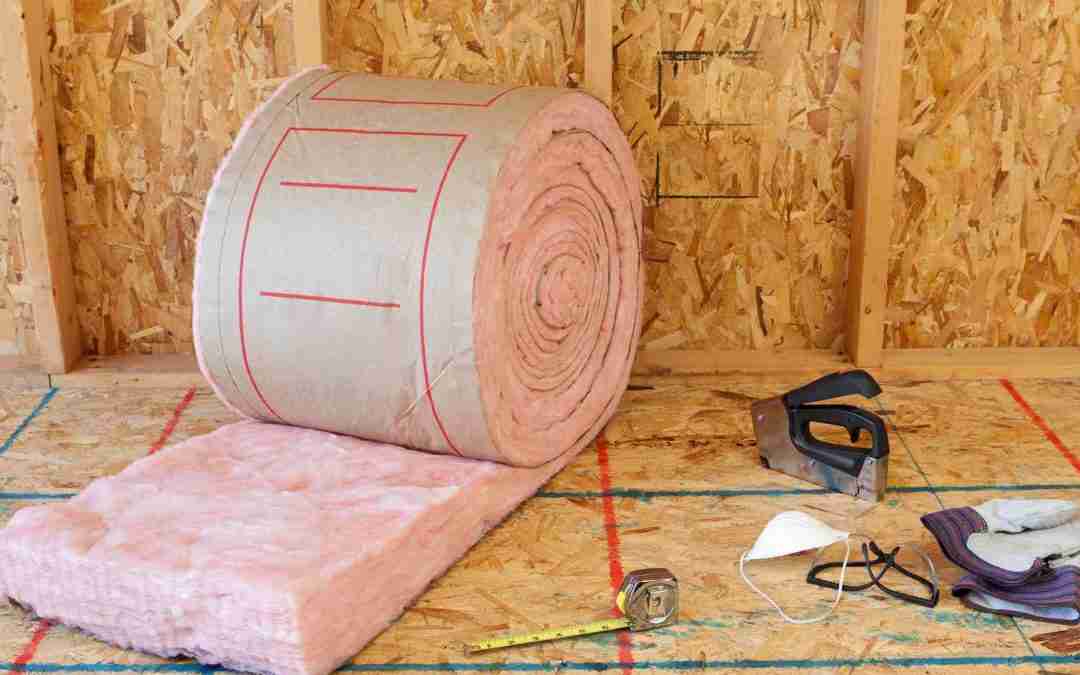
Roll of attic insulation.

What Insulation Is Best For My Attic? 


Choosing the Right Insulation for Your Attic: A Complete Guide

What insulation is best for my attic? This question is more than just a casual inquiry for homeowners looking to enhance their living space's energy efficiency and comfort. The attic, a critical zone affecting your home's overall temperature regulation, demands careful consideration to ensure you're making the best choice for insulation. With various options available, each with its unique properties and benefits, making an informed decision can significantly impact your home's energy consumption and comfort levels.

Understanding Your Options: A Deep Dive into Attic Insulation Materials

The journey to selecting the perfect attic insulation begins with understanding the diverse materials at your disposal. Here’s a closer look at the popular choices:

  • Fiberglass Insulation: Known for its cost-effectiveness and versatility, fiberglass insulation comes in batts and rolls that are easy to install between attic joists. Its composition of fine glass fibers offers reliable thermal resistance and is an excellent choice for DIY enthusiasts. However, it's crucial to don protective gear to avoid irritation upon contact.
  • Cellulose Insulation: If you're leaning towards a more eco-friendly option, cellulose insulation, made from recycled paper treated with fire retardants, might be your best bet. It’s known for its excellent thermal properties and ability to reduce air leaks when densely packed. Perfect for attics requiring a quick and effective fill, cellulose can be a bit more challenging to install but is worth the effort for its environmental benefits.
  • Spray Foam Insulation: For those seeking the highest level of air sealing and moisture resistance, spray foam stands out. It expands to fill every nook and cranny, creating an impenetrable barrier against heat transfer. Although it comes at a premium price and typically requires professional installation, the investment can pay off in significant energy savings and improved home comfort.

Factors to Consider in Your Selection Process

When narrowing down your options, consider these critical factors:

  • R-Value Requirements: The R-value measures insulation's ability to resist heat flow. Higher R-values mean better insulation. Your choice should reflect your region's climate and the specific needs of your home.
  • Air Sealing Capabilities: A well-insulated attic also needs to be airtight. Materials like spray foam offer superior air sealing, which can be a game-changer in preventing energy loss.
  • Moisture Resistance: Attics can be prone to moisture issues. Opt for insulation that either resists moisture or is complemented by proper ventilation to prevent mold and mildew growth.
  • Installation and Longevity: Consider whether you prefer a DIY project or professional installation. Materials like fiberglass and cellulose can be more DIY-friendly, while spray foam usually requires a professional hand.

Why Professional Installation Makes a Difference

While DIY projects can be tempting, there are undeniable benefits to professional installation, especially for complex options like spray foam. Professionals ensure optimal placement, correct R-values, and address any pre-existing issues in your attic, such as leaks or ventilation problems. Moreover, they can navigate the intricacies of your attic's layout, ensuring comprehensive coverage without compromising the structure's integrity.

Cost Considerations and Energy Savings

Investing in attic insulation can offer substantial returns through reduced energy bills, making it crucial to weigh initial costs against long-term savings. While materials like fiberglass offer an affordable upfront cost, premium options like spray foam can lead to greater energy savings over time. It's essential to balance your budget with your energy efficiency goals to find the most cost-effective solution for your home.

Maintaining Your Insulation for Optimal Performance

To maximize the benefits of your attic insulation, regular maintenance is key. This includes checking for and addressing any moisture issues, ensuring proper ventilation to prevent overheating in summer, and inspecting for any signs of wear or damage. Regular maintenance ensures your insulation continues to perform at its best, offering enduring comfort and efficiency.

Conclusion

What insulation is best for my attic? Ultimately, the answer depends on a careful assessment of your home's specific needs, your climate, and your budget. Whether you opt for the affordability and ease of fiberglass, the eco-friendliness of cellulose, or the superior sealing and insulation properties of spray foam, making an informed choice will ensure your attic contributes to a more comfortable, energy-efficient home.

Disclaimer: The information provided in this article is intended for general guidance and informational purposes only. Conditions in your specific attic space, local building codes, and personal preferences should be considered when choosing the best insulation for your attic. Consulting with a professional insulation contractor can provide personalized advice and recommendations tailored to your unique situation.
When to Replace Attic Insulation?

When to Replace Attic Insulation?

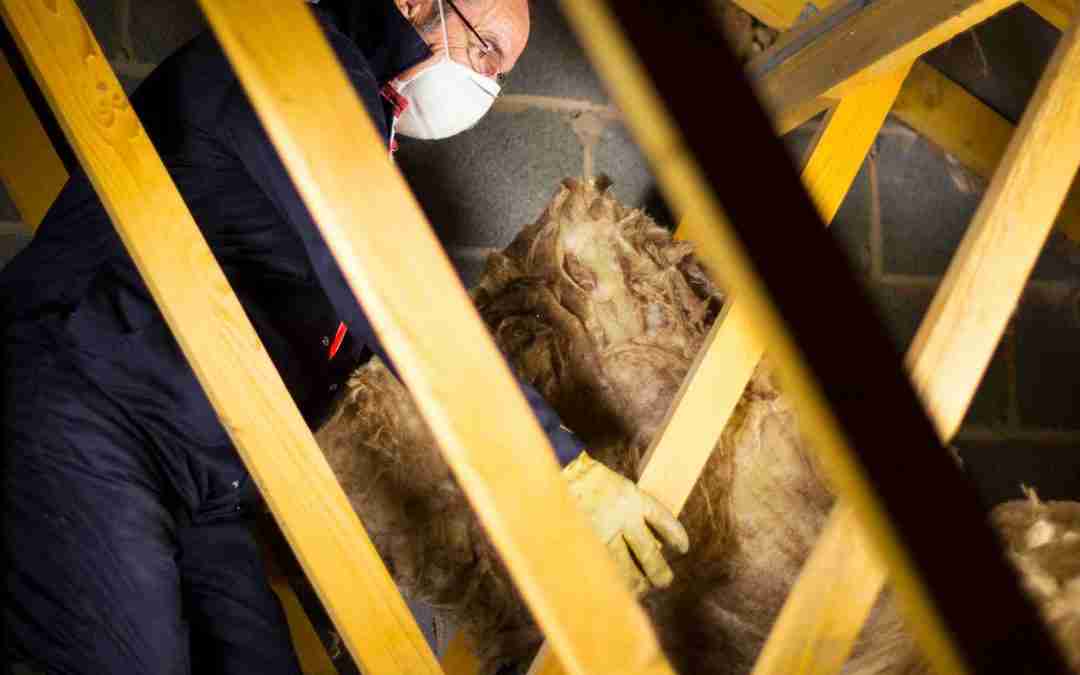
Man replacing old attic insulation.

When to Replace Attic Insulation?

As a homeowner, one of the most impactful actions you can take to enhance your home’s energy efficiency and comfort is to focus on the attic. Yes, that often-overlooked space above your living area can be the key to substantial energy savings and a more comfortable living environment. But how do you know when to replace attic insulation? Let’s dive into the essentials, providing you with the knowledge to make informed decisions about your attic insulation needs.

Understanding the Lifespan of Attic Insulation

Generally, attic insulation does not have an indefinite lifespan. Over time, various factors such as moisture, pest infestations, and physical degradation can compromise its effectiveness. While different insulation materials have varying lifespans, a good rule of thumb is to assess its condition every 10 to 15 years.

Key Takeaways:

  • Inspect your insulation regularly to catch early signs of wear and tear.
  • Be proactive about replacing insulation to maintain energy efficiency.
  • Consider the type of insulation as some materials may last longer than others.

Signs It's Time for a Change

  1. Increased Energy Bills: If you've noticed a steady increase in your heating and cooling costs without a corresponding rise in utility rates, it could be a sign that your attic insulation is losing its effectiveness.
  2. Uneven Temperatures: Do some rooms in your home feel significantly colder or warmer than others? This could indicate inadequate or uneven insulation in the attic, leading to hot spots and cold drafts.
  3. Visible Damage or Degradation: Take a peek into your attic. If the insulation looks compressed, wet, or damaged, or if you can see the ceiling joists through thinning insulation, it’s time for a replacement.
  4. Pest Infestations: Signs of rodents or insects in your attic can mean your insulation has been compromised. Pest droppings, nesting materials, or actual sightings of pests are clear indicators.
  5. Age of Insulation: If your insulation is over 15 years old, it's worth having a professional evaluation. Advancements in insulation materials mean newer products could offer significant improvements in energy efficiency.

Practical Tips for Assessing Your Attic Insulation

  • Conduct a Visual Inspection: Armed with a flashlight, safely enter your attic and look for signs of damage or wear. Pay special attention to corners and edges where leaks might occur.
  • Measure Insulation Thickness: Using a ruler, measure the depth of your insulation. If it’s less than 11 inches of fiberglass or rock wool, or 8 inches of cellulose, you might not be meeting the recommended R-30 to R-60 values.
  • Feel for Drafts: While in the attic, feel for drafts or noticeable temperature changes, which could indicate leaks or areas where insulation is insufficient.

The Best Time to Replace Attic Insulation

Timing can be everything when it comes to replacing your attic insulation. Ideally, consider this upgrade during:

  • Renovation Projects: If you’re already planning home improvements, it’s a perfect time to assess and upgrade your insulation.
  • The Fall or Spring: Scheduling this task during milder weather can make the process more comfortable and prepare your home for the temperature extremes of winter and summer.
  • Signs of Deterioration or Damage: Don’t wait for seasonal changes if you’ve noticed any of the signs mentioned above. Prompt action can prevent higher energy costs and potential damage to your home.

Choosing the Right Insulation for Your Attic

Selecting the appropriate insulation material and ensuring it is installed correctly can greatly impact your home's energy efficiency. Materials such as fiberglass, cellulose, and spray foam offer different benefits in terms of R-value, moisture resistance, and longevity. Consulting with a professional attic insulation company can help you make the best choice for your home’s specific needs.

Conclusion

Recognizing when to replace attic insulation is crucial for maintaining your home’s energy efficiency and comfort. By keeping an eye out for the signs of ineffective insulation and acting promptly, you can enjoy lower energy bills, a more comfortable living environment, and the peace of mind of knowing your home is well-protected against the elements. Remember, insulation is an investment in your home’s future, offering benefits that far outweigh the initial cost. If you're unsure about the state of your attic insulation, it might be time to consult with a professional who can provide a thorough assessment and expert advice.

Disclaimer: This blog post is intended for informational purposes only. While our goal is to provide accurate and up-to-date information, we recommend consulting with a professional attic insulation removal and replacement company for specific advice tailored to your home’s unique needs. Conditions in your attic, local climate, and specific home configuration should all be considered when deciding to replace your attic insulation.

What Are The Advantages Of Professional Attic Insulation Removal?

What Are The Advantages Of Professional Attic Insulation Removal?

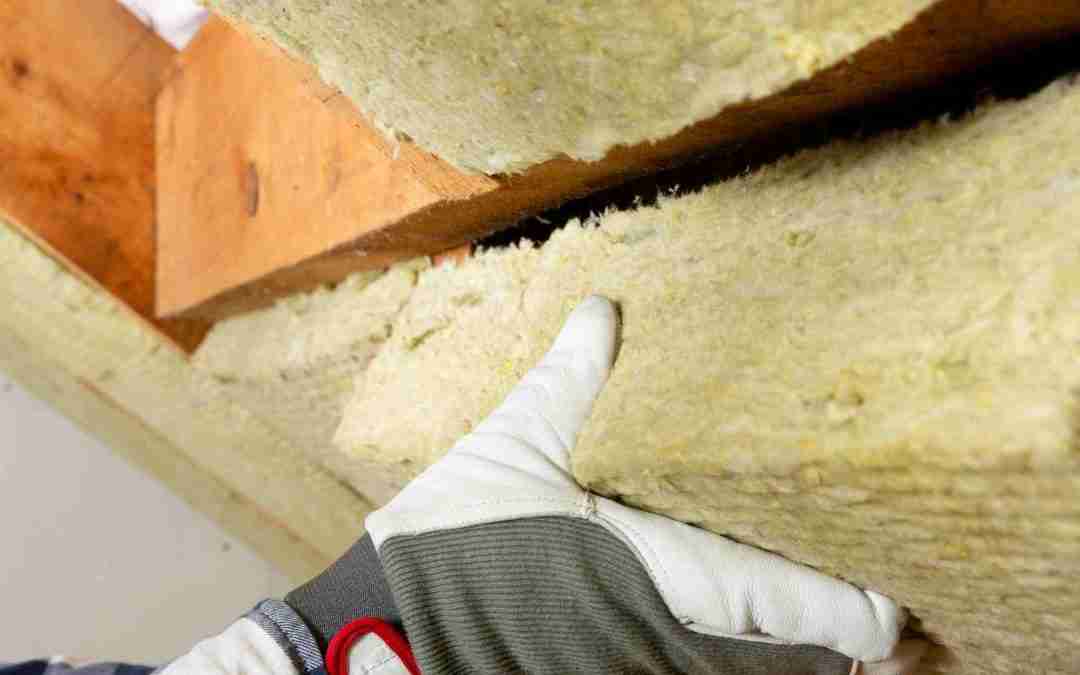
Man Installing attic insulation

What Are The Advantages of Professional Attic Insulation Removal? Is It Worth It?

Embarking on an attic insulation project begins with the removal of old, inefficient, or damaged insulation. This process requires careful planning and execution to avoid spreading contaminants throughout your home. It involves sealing the work area, utilizing specialized equipment for removal, and safely disposing of the old materials.

Following removal, the next step is installing new insulation. This phase involves choosing the right type of insulation for your needs, calculating the appropriate R-value for your climate, and meticulously installing the material to ensure there are no gaps or compression, which could diminish its effectiveness.

Throughout this guide,we will answer your question “ What The Advantages of Professional Attic Insulation Removal? We've emphasized the importance of both removing old insulation correctly and installing new insulation efficiently. These tasks are intricate and, if not done properly, can lead to sub optimal performance of your insulation and, consequently, your home's energy efficiency.

Replacement

When considering the question, " What The Advantages of Professional Attic Insulation Removal?" many homeowners weigh the pros and cons of undertaking this task themselves versus enlisting the services of a professional attic insulation removal and replacement company. While the DIY route may initially seem appealing due to perceived cost savings, there are compelling reasons to opt for professional services.


Why Go Pro for Your Attic Insulation Needs?

Expertise and Efficiency: Professionals in attic insulation have the training, experience, and tools necessary to evaluate and execute the job efficiently. They can quickly identify issues like mold, pests, or water damage that might not be apparent to the untrained eye. This expertise ensures that any problems are addressed correctly before installing new insulation, preventing potential issues down the line.

Safety First: Removing old insulation and installing new materials can be hazardous, especially if you're dealing with substances like fiberglass or if there's a risk of disturbing asbestos. Professionals come equipped with the proper safety gear and the knowledge to handle these materials safely, protecting not only themselves but also your home environment.

Customized Solutions: Every attic is unique, with its own set of challenges and requirements. Professional companies can provide a tailored solution that optimizes energy efficiency, fits your specific needs, and adheres to local building codes. They can advise on the best insulation materials and methods, taking into account your home's design and your climate zone.

Guaranteed Workmanship: Professional services often come with warranties or guarantees on the work performed. This peace of mind is invaluable, as it ensures that any issues related to the installation process can be addressed without additional costs to you.

Cost-Effectiveness in the Long Run: While hiring professionals may seem more expensive upfront, their ability to choose and install the most effective insulation for your home can result in significant energy savings over time. Properly installed insulation reduces the workload on your heating and cooling systems, leading to lower utility bills and prolonging the lifespan of these systems.

Navigating Incentives: Many homeowners are unaware of the potential rebates and incentives available for upgrading their insulation. Professional companies are knowledgeable about these programs and can help you navigate the application process, potentially saving you money on the project.

Conclusion

Throughout this guide we've emphasized the importance of both removing old insulation correctly and installing new insulation efficiently. These tasks are intricate and, if not done properly, can lead to sub optimal performance of your insulation and, consequently, your home's energy efficiency.


Disclaimer: The insights provided in this guide aim to equip you with a foundational understanding of replacing attic insulation. While we strive for accuracy, it's important to consult with a professional insulation contractor to address your specific situation. They can offer personalized advice and solutions tailored to your home's unique needs.

In conclusion, while the allure of DIY projects is understandable, the complexities and potential hazards associated with attic insulation removal and replacement make it a task best left to professionals. By choosing a reputable attic insulation removal and replacement company, you can ensure that the job is done safely, efficiently, and effectively, leading to a comfortable, energy-efficient home for years to come.